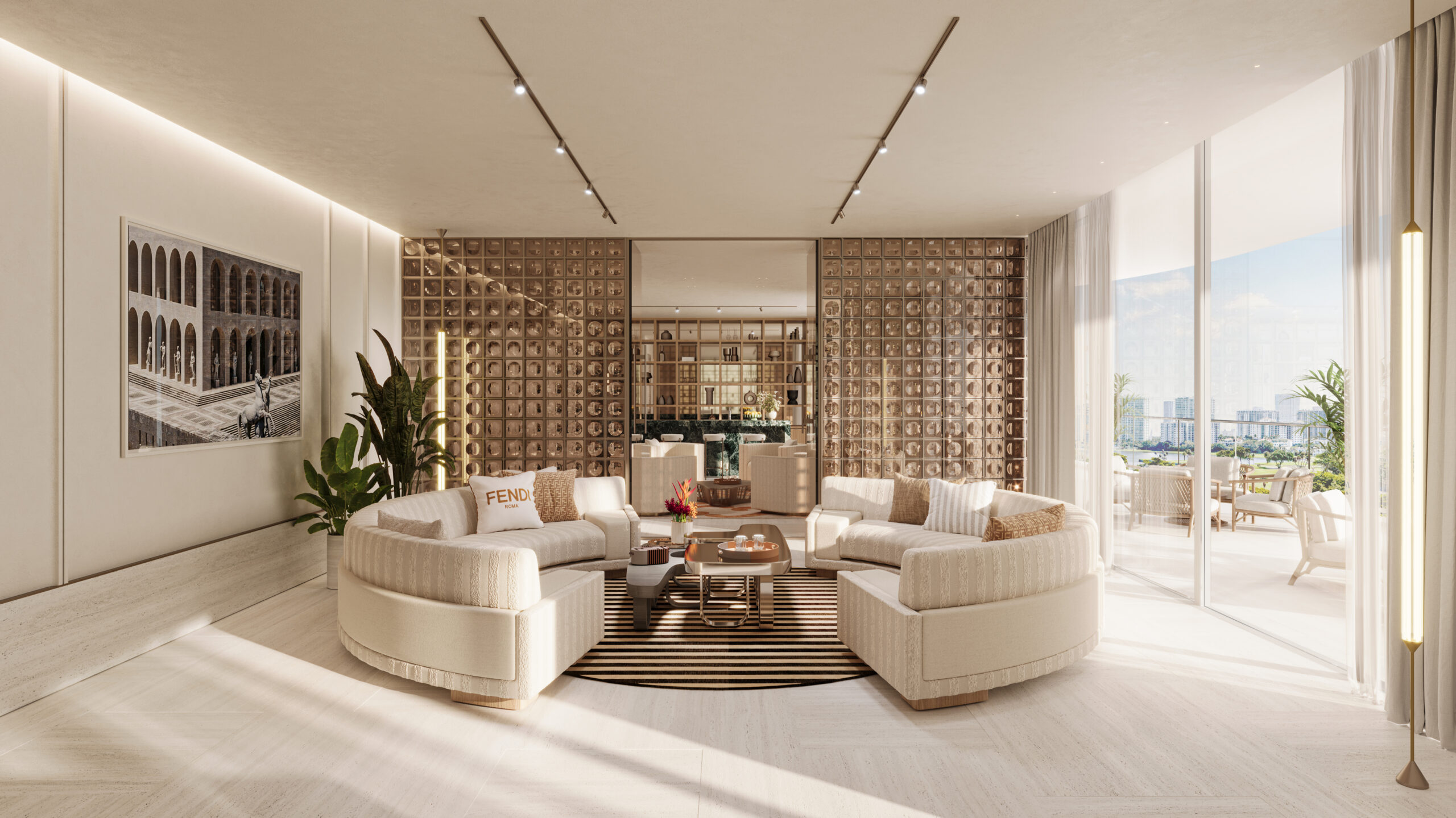
Dear readers,
in this edition of our monthly newsletter, we will delve into the world of materiality — but not only. We will talk about light, shadow, scent, proportion, and the invisible elements that shape the way we experience a space.
“Most people can recall how a room made them feel long before they remember what it was made of.”
Think about your home or your favorite place in the world. What comes to mind first? Most likely not the flooring, the kitchen cabinetry, the dimensions of the bedroom, or the view from the pool terrace. What surfaces first is usually a feeling: warmth, calm, belonging, intimacy. Then come the memories attached to it — conversations with friends, family dinners stretching late into the evening, quiet mornings, moments of love and comfort.
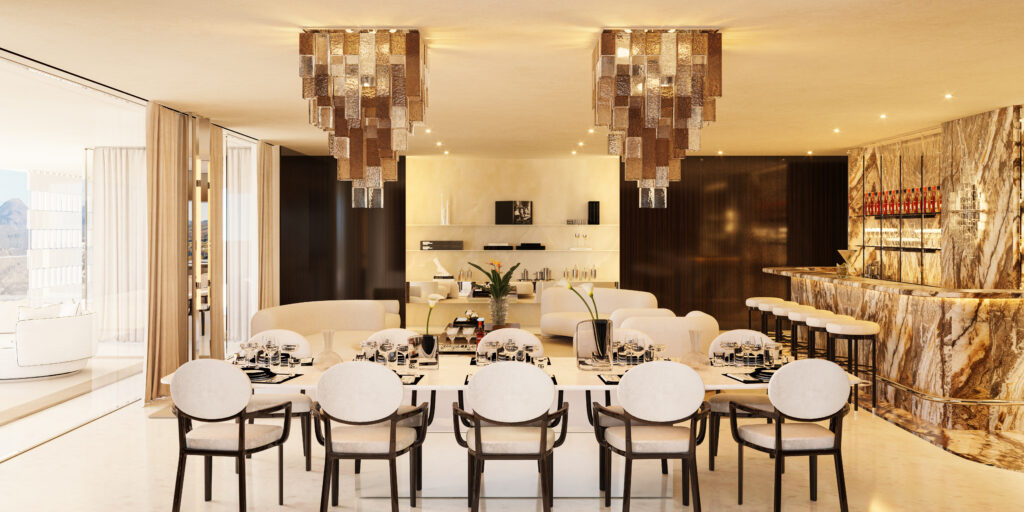
Now consider the opposite experience. You walk into a room that is, by every measurable standard, exceptional. The bathrooms are entirely clad in marble. The flooring is a refined composition of wood and brass inlays. The lighting casts a soft, amber glow. The bed was perfectly dressed, generous in scale, inviting after a long day. Everything is in its place. Everything is correct. And still, quietly, something feels absent. Not wrong, exactly. Just not quite there.
Branded real estate is built on a precise set of commitments: exceptional quality, rare materials, unmatched craftsmanship, and the weight of a luxury house’s history, values, and vision. Architecture and interior design become instruments through which a brand translates itself into physical space through colors, textures, shapes, and materials.
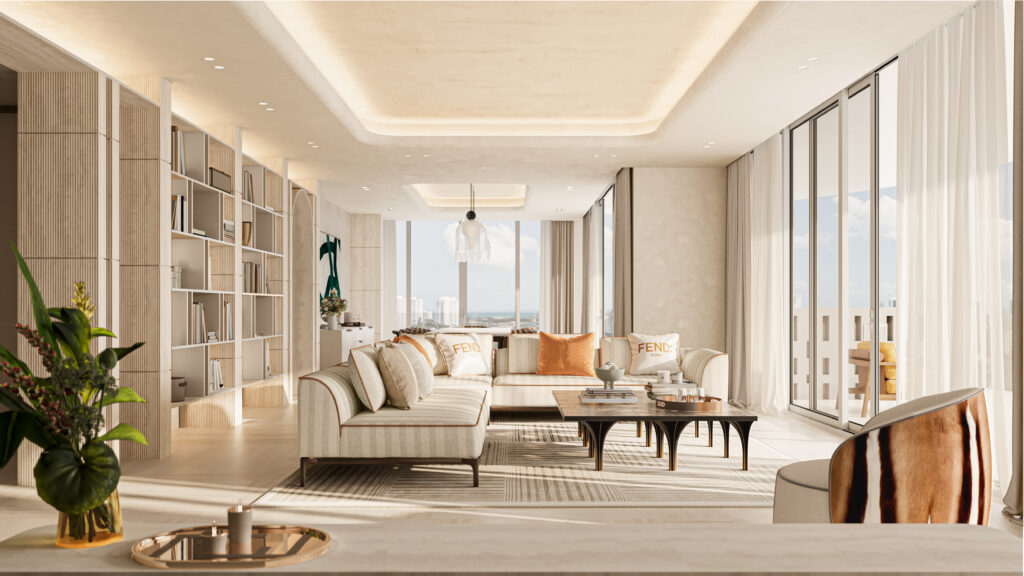
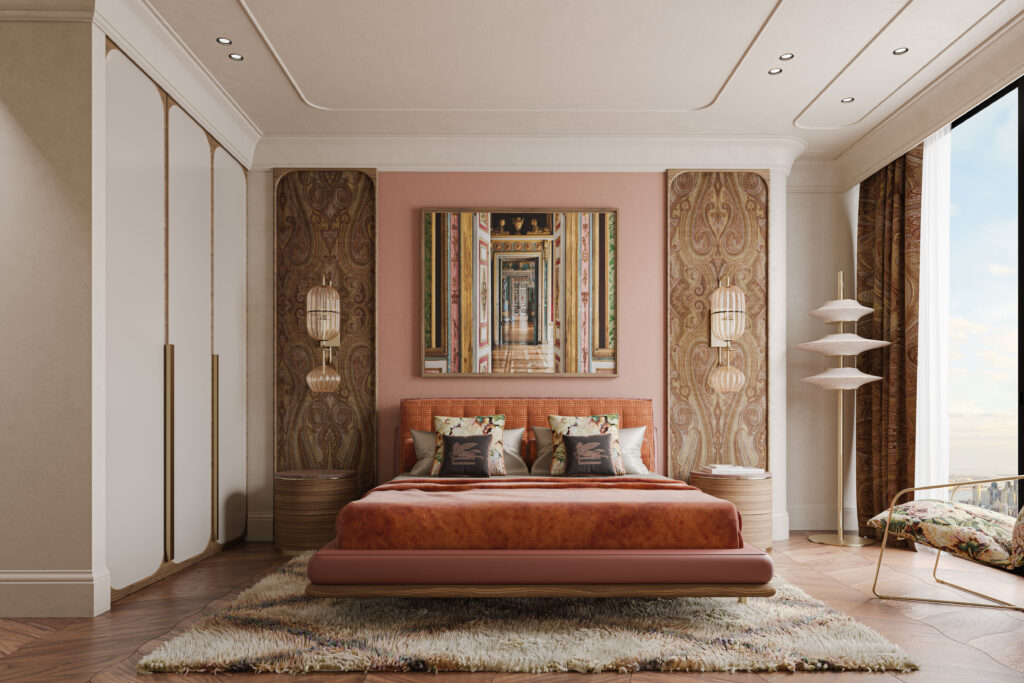
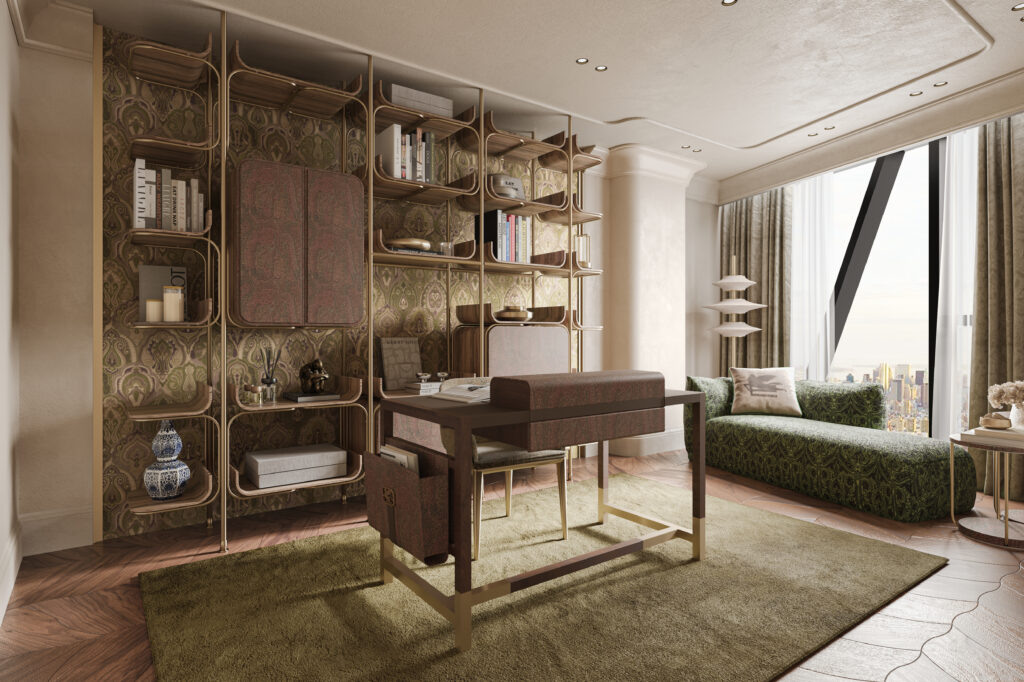
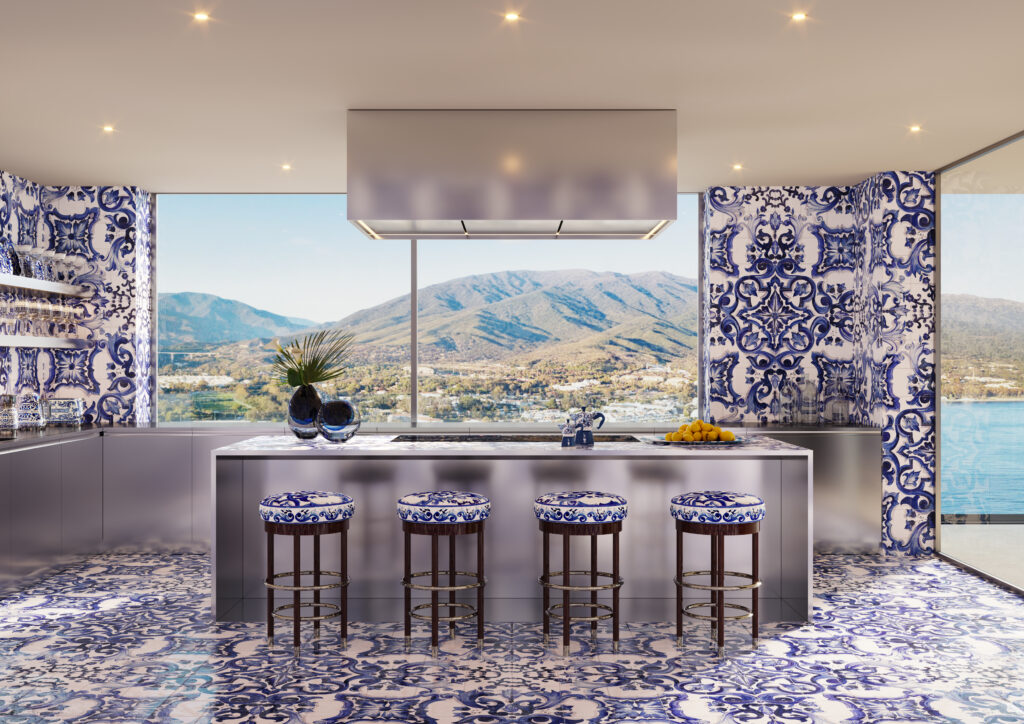
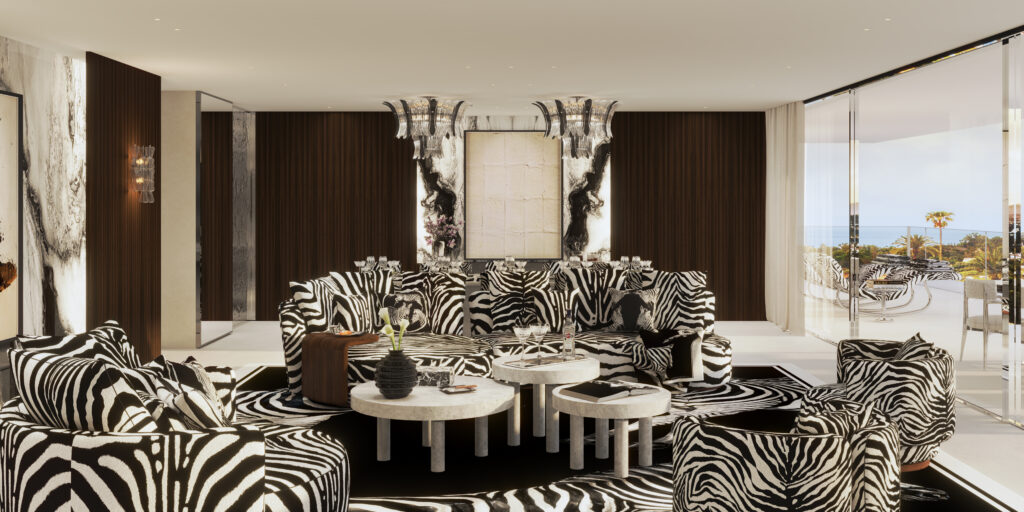
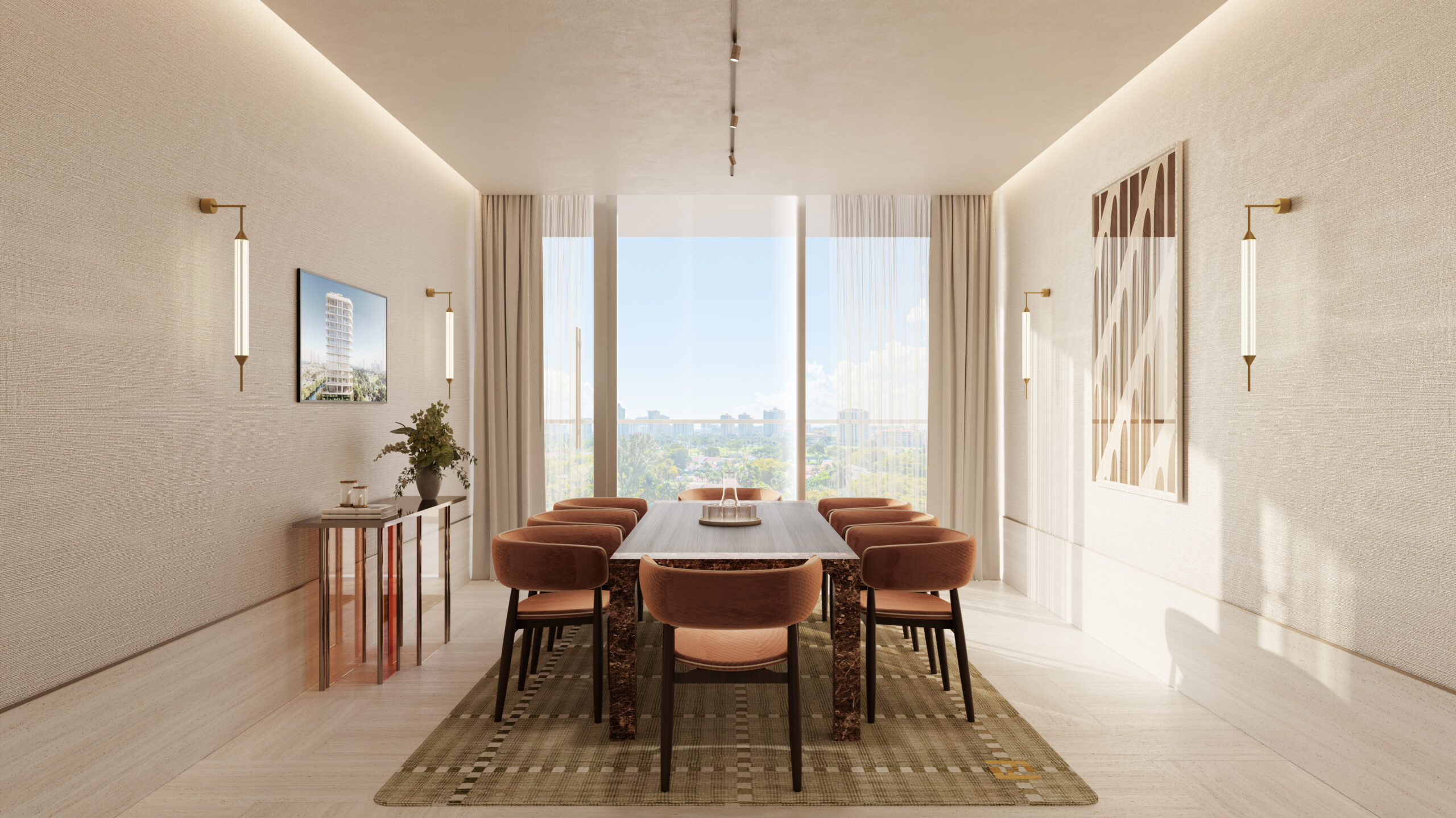
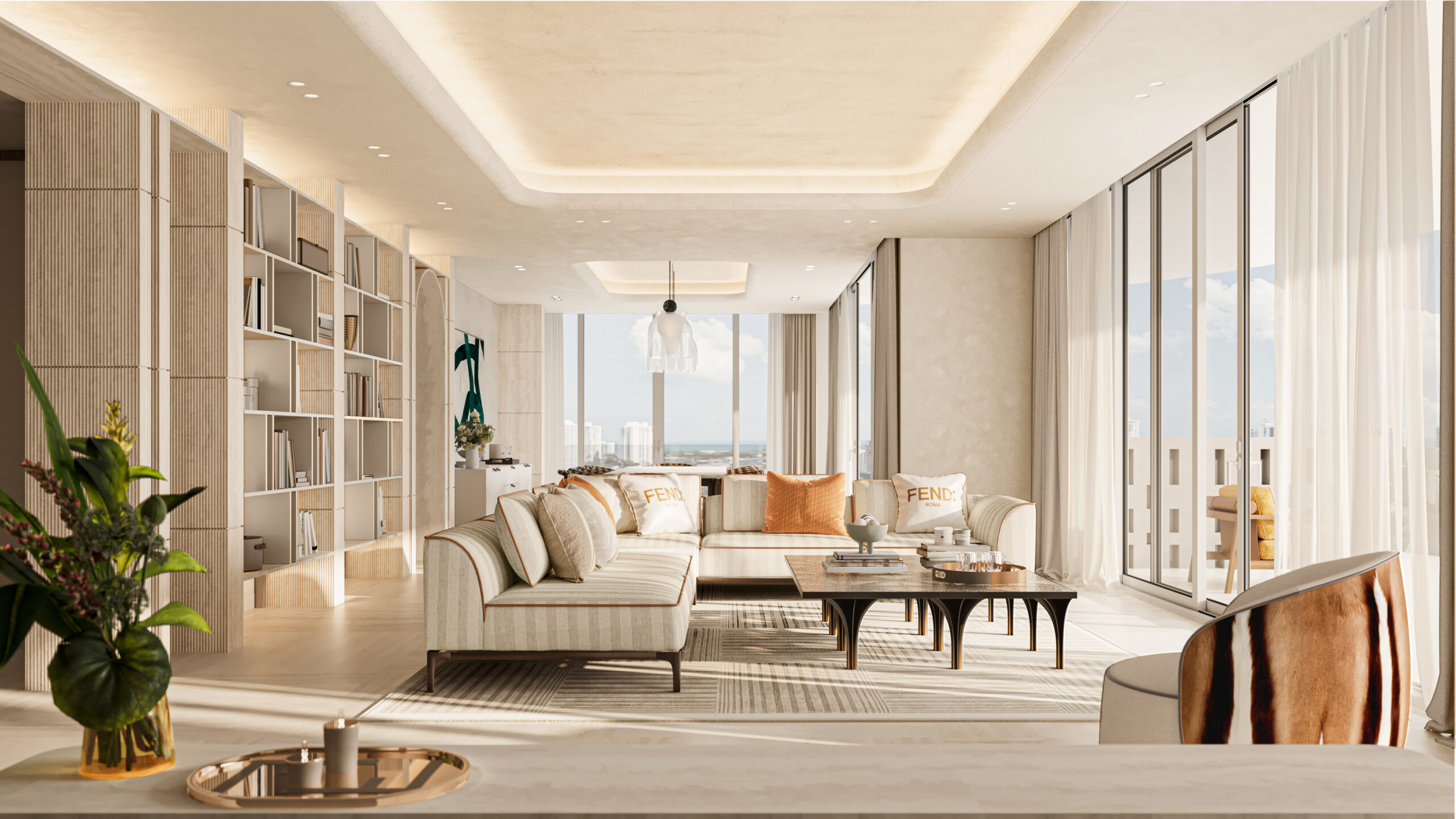
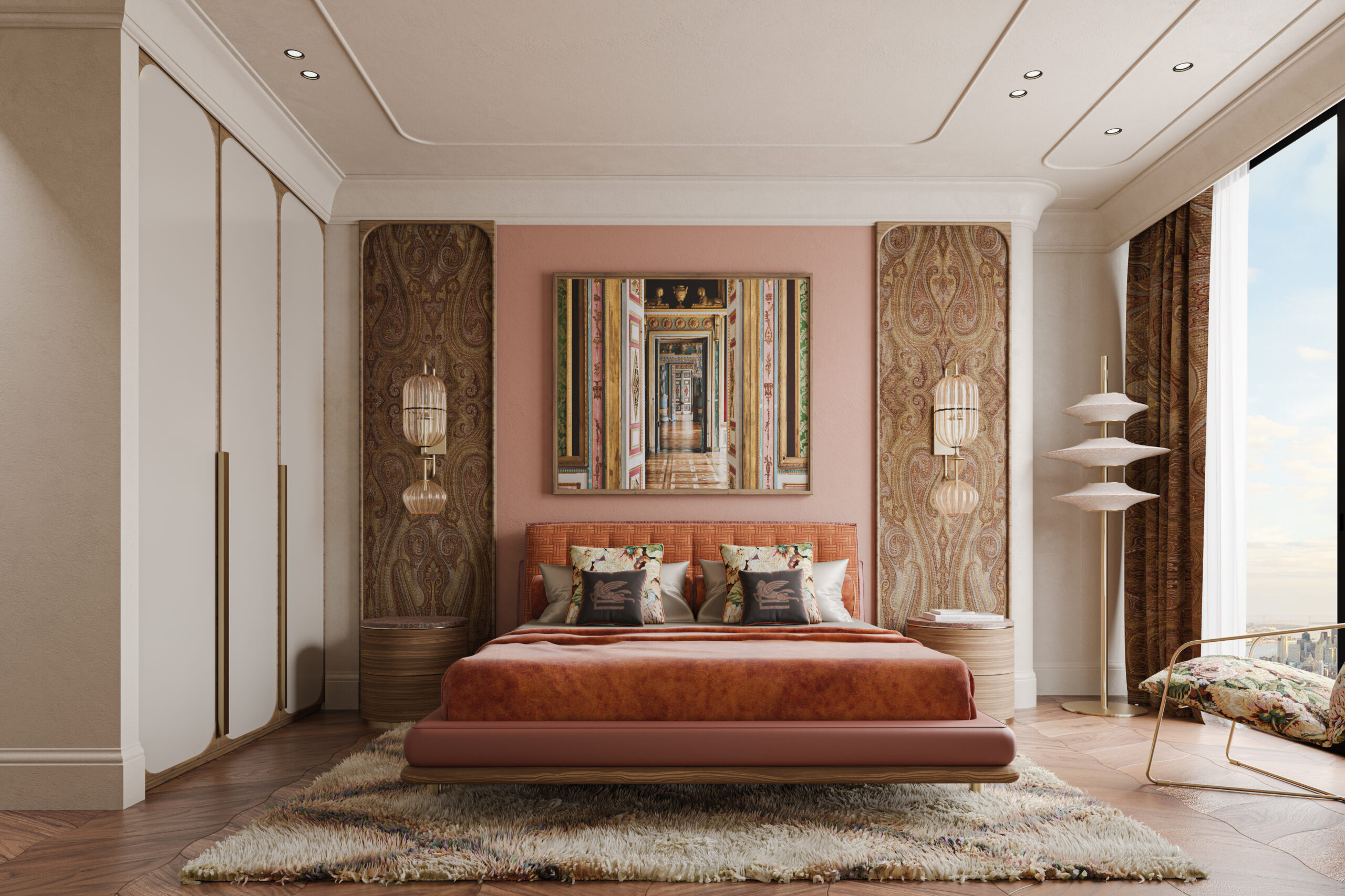
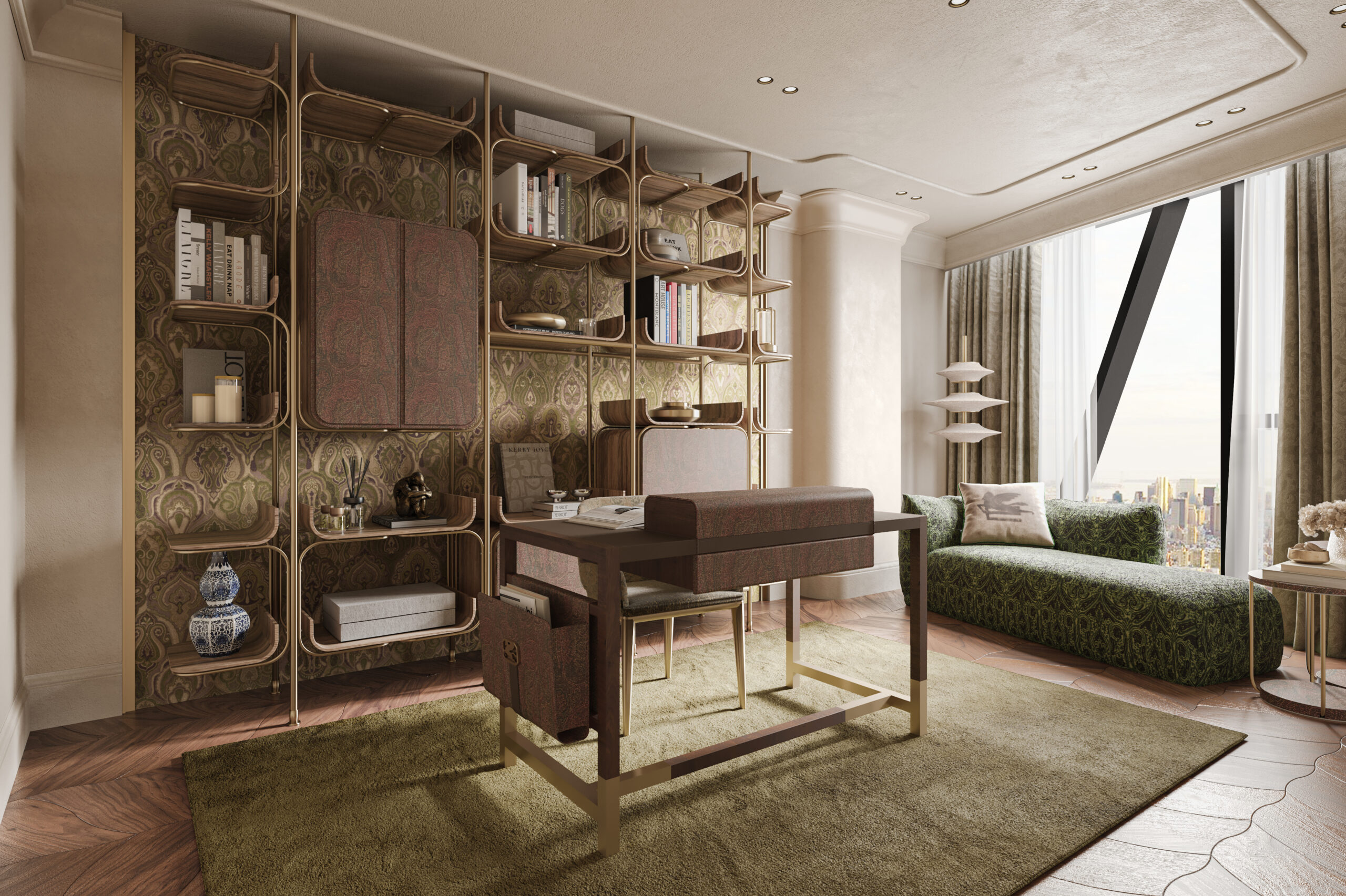
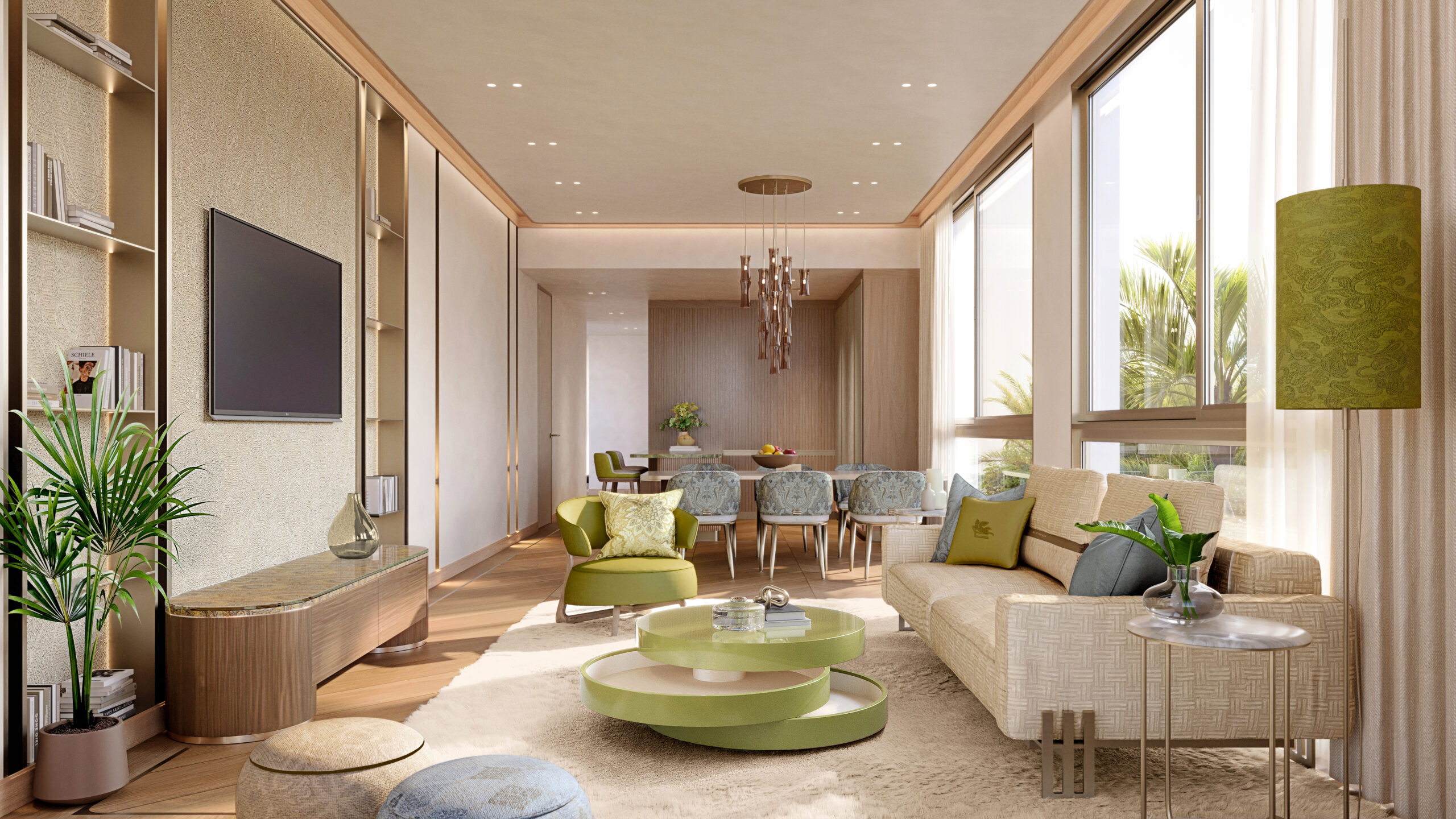
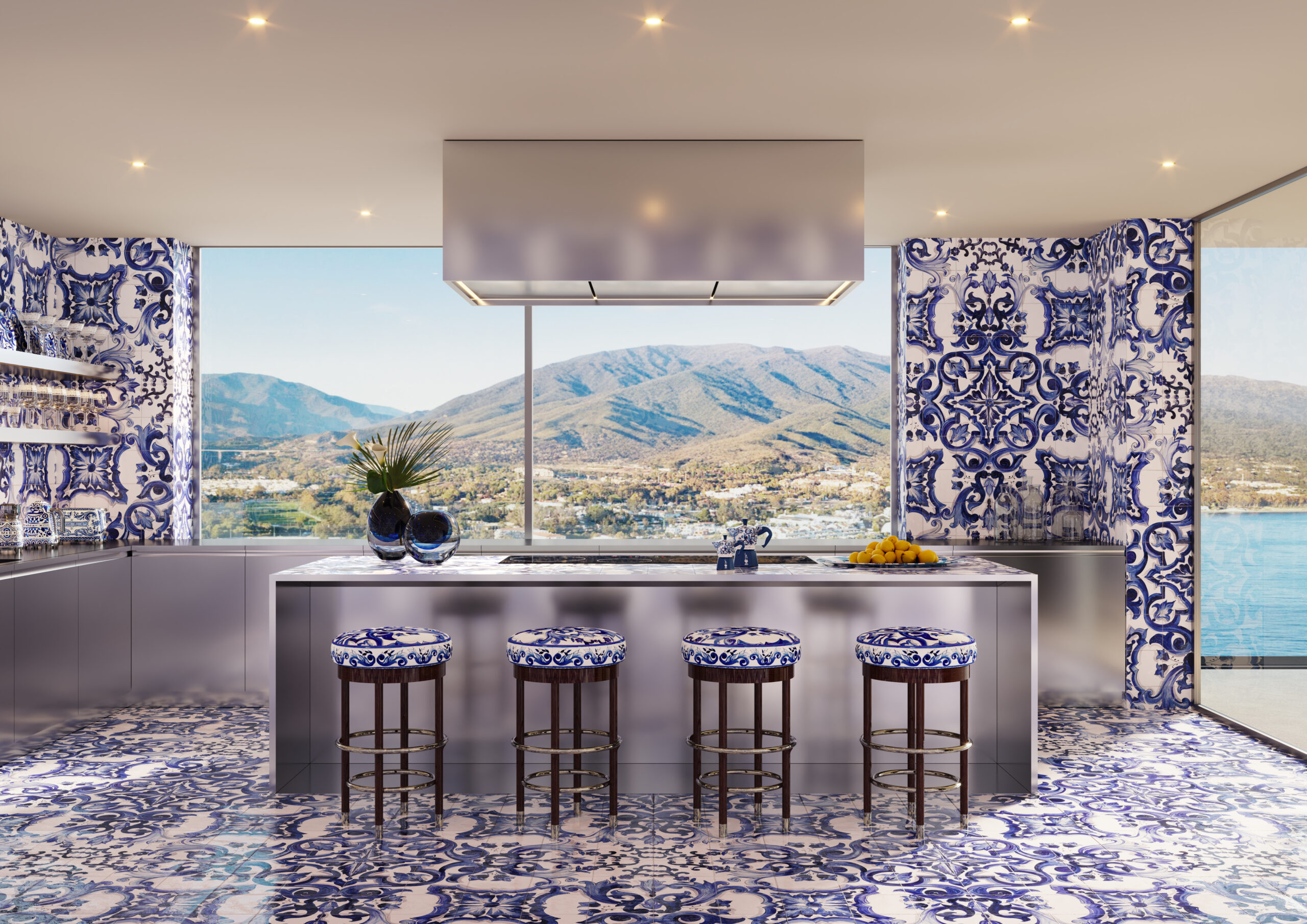
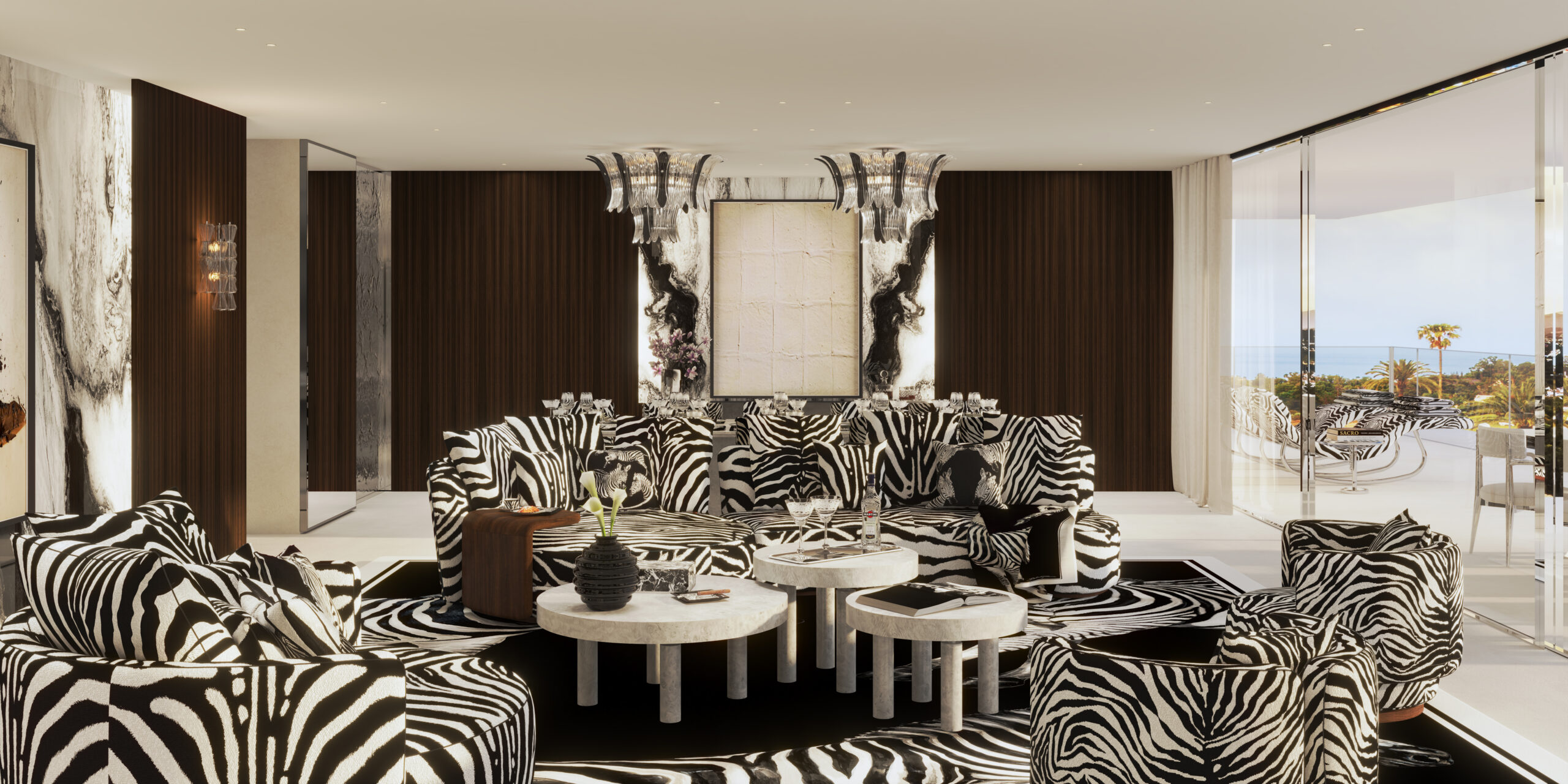
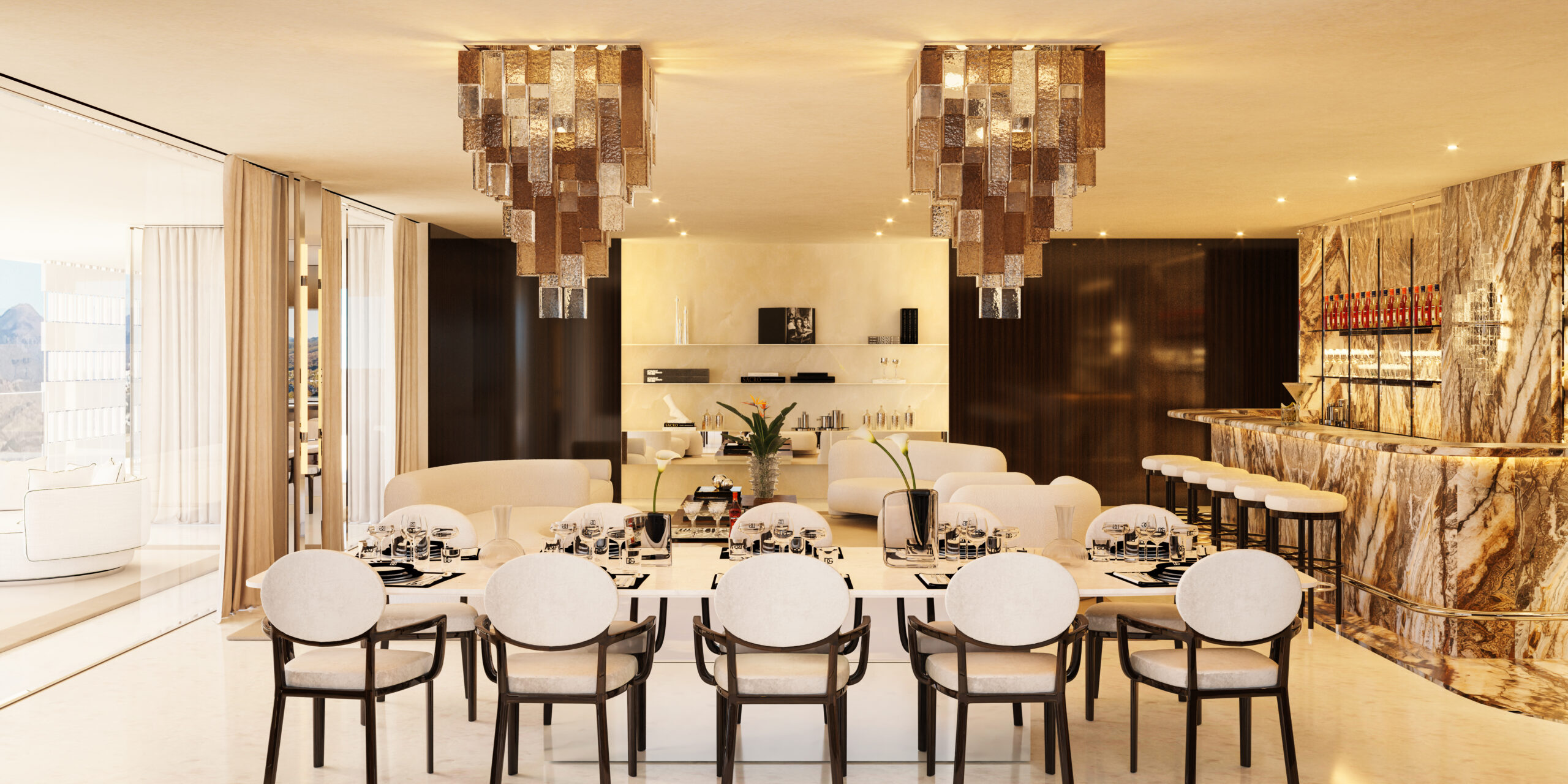
Often, the process begins with what is already recognizable. Fendi may evoke arches and travertine stone. Dolce&Gabbana may suggest golden metals, theatrical accents, and embroidered textiles. Etro naturally recalls layered patterns and expressive prints. These visual languages are powerful, each is exceptional in its own right, genuinely awe-inspiring upon first encounter.
But here is the honest question: once the awe fades, once the novelty settles — what remains? These spaces are far from anonymous, certainly. But is it the marble that carries the brand’s values forward? Is it the exotic wood, the rare stone, the hand-finished plaster?
No. It is not.
The promise of a branded residence goes far beyond aesthetics. Long before completion, these projects invite their future owners into a world — one built on values, aspirations, experiences, and identity. The true essence of a luxury brand cannot be reduced to materiality alone because the most important aspects of luxury are often intangible. Only to be felt.
The most important luxury material is not marble. It is atmosphere — the invisible medium every architect and designer must master, the element that cannot be specified in a material schedule yet defines how a space is experienced entirely.
It lives in the way light moves across a surface at different hours, casting shadows that shift the mood of a room from morning to dusk. It lives in scent — the barely perceptible fragrance that recalls a memory or instills a sense of calm. It lives in proportion, in rhythm, in the deliberate relationship between fullness and void.
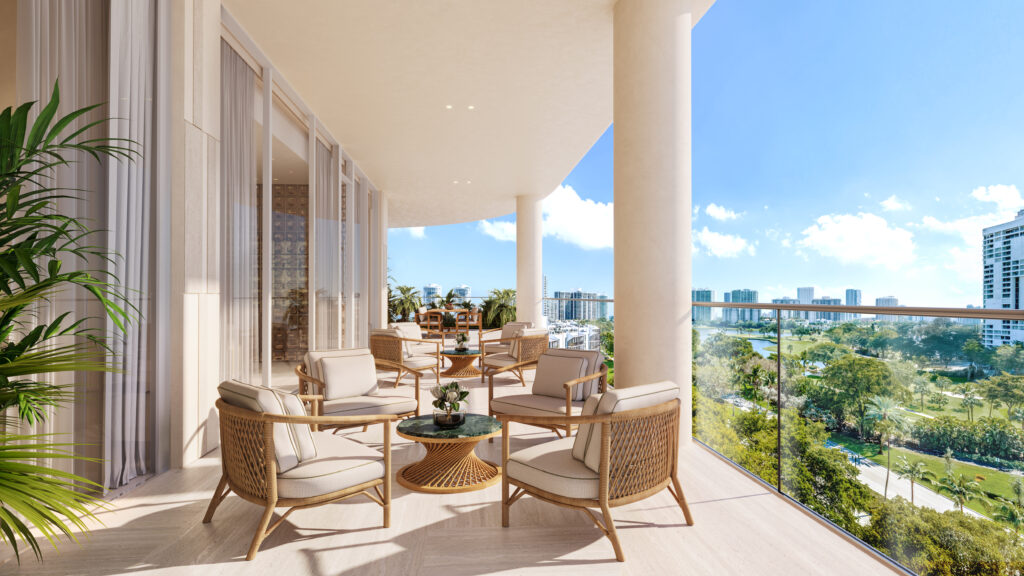
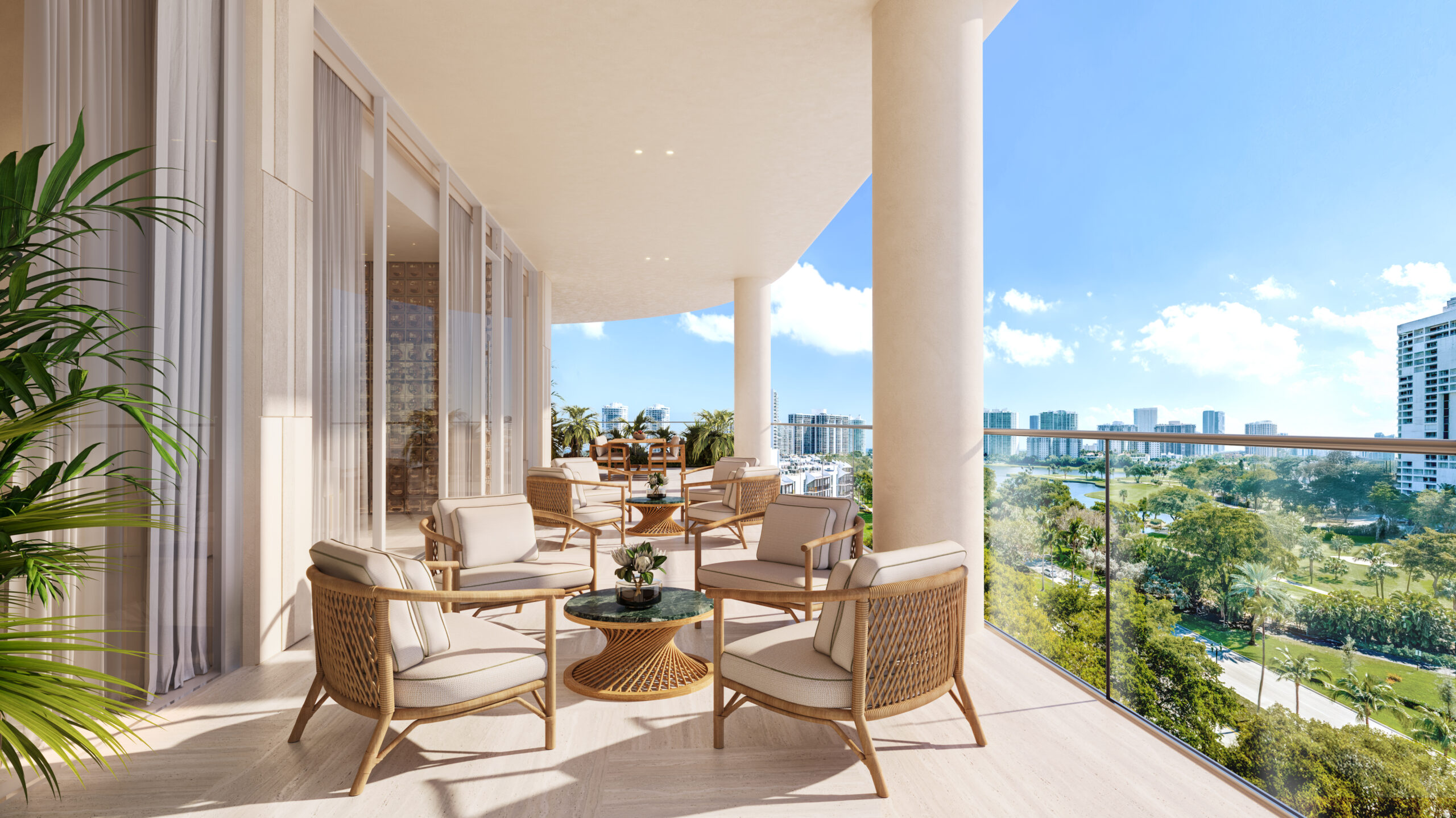
It exists in the sensation of warm stone beneath bare feet. Linen curtains moving gently with the air. The quiet comfort of a secluded reading corner overlooking a garden. These details may appear small individually, yet together they shape the emotional tone of a space. These are the sensations that lodge themselves in memory.
For years, the dominant language of luxury was abundance. More was more — more material, more ornamentation, more spectacle. That era has quietly passed. We are now in a moment defined by restraint, curation, and the power of suggestion. Today’s luxury buyer is not seeking to impress at first glance. The ambition is more nuanced: to be understood without explanation, to communicate through atmosphere rather than declaration. Luxury fashion has moved toward understated elegance and refined minimalism, residential design is embracing calmer, more intentional spaces.
The aura has become the primary design tool — and since fashion and interior design have always moved in tandem, the same sensibility naturally shapes the branded residence.
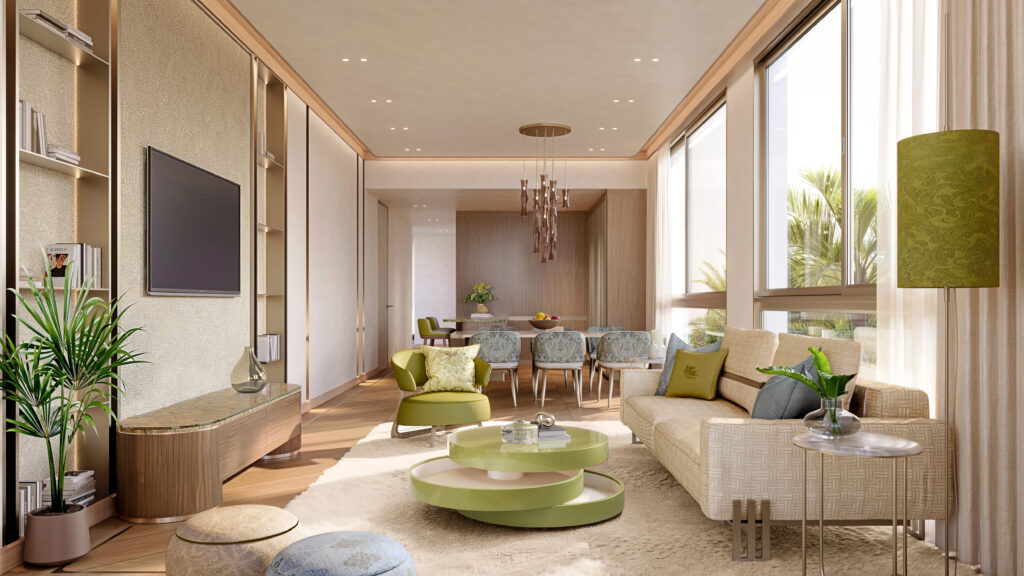
Architects today are designing spaces that allow people to breathe. Interiors built around fewer materials, used with greater intention. The detail becomes the protagonist — subtle enough to reveal itself only to an attentive eye, yet powerful enough to shape the entire emotional register of a room. These are the spaces that generate genuine connection, that translate values not through what you see, but through what you feel upon entering.
The true measure of exceptional interior design has never been complexity; it has always been resonance. A space succeeds not when it impresses, but when it stays with you: in the way a particular quality of light felt on a quiet afternoon, in the sense of ease that settled the moment you sat down, in the quiet certainty that everything in the room was exactly as it should be. Atmosphere cannot be purchased by the square meter or sourced from a material library. It is composed — slowly, deliberately — through a deep understanding of how human beings inhabit space, and what they carry with them when they leave.
The most enduring luxury interiors are not the most decorated. They are the ones that make people feel differently inside them. And that difference, invisible as it is, is the rarest material of all.
Thank you for reading.